
School suspensions have long been the go-to disciplinary measure for managing student misconduct, but they’re increasingly viewed as ineffective and counterproductive. When students are removed from the classroom, they miss valuable instructional time and may fall behind academically, which can lead to even more frustration and negative behavior. Fortunately, there are alternatives to suspension that keep students engaged while addressing the root causes of their behavior. In-school suspension, restorative justice programs, behavior contracts, counseling, and community service can offer more constructive ways to handle disciplinary issues. These approaches not only hold students accountable, but also provide them with opportunities to learn from their mistakes and grow. By focusing on reflection, responsibility, and restitution, schools can help students become more successful both academically and personally.
1. In-School Suspension (ISS):
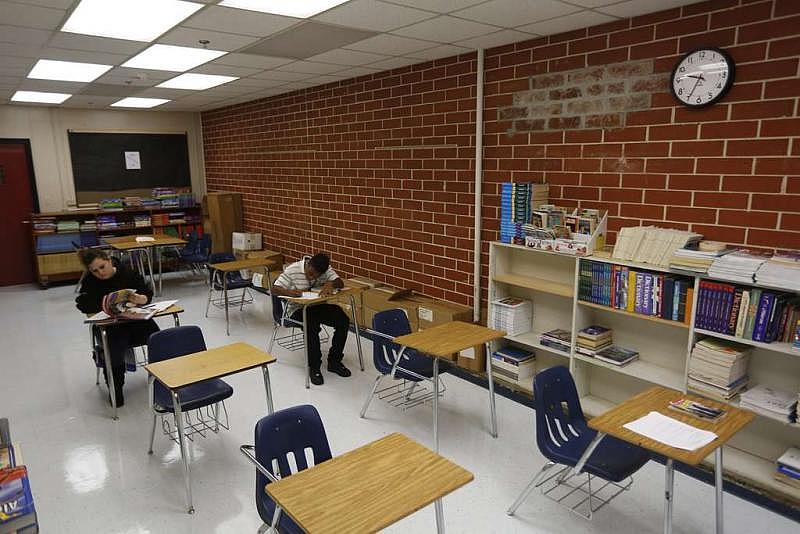
In-School Suspension keeps students in the school building but separates them from the regular classroom environment. Instead of sending students home, they are placed in a supervised setting where they are expected to complete their classwork. This alternative allows students to stay caught up with their academic responsibilities while still experiencing the consequences of their behavior. The structure also minimizes disruptions to their education, which often happens with out-of-school suspensions. ISS can be a more controlled environment where students reflect on their behavior under guidance. In some programs, students may also receive counseling or attend workshops during ISS to address the behavior that led to the suspension.
2. Restorative Justice Programs:
Restorative justice focuses on accountability and healing rather than punishment. These programs aim to repair the harm done by the student’s actions through dialogue and community involvement. A typical restorative justice session might involve the student, those affected by their actions (peers, teachers), and a mediator. Together, they discuss the incident, its impact, and how the student can make amends. Instead of isolation or exclusion, the student learns empathy, accountability, and conflict resolution skills. For instance, if a student vandalized school property, they might participate in a discussion with the staff and help repair the damage as part of making amends. The goal is to foster a sense of responsibility and prevent future incidents.
3. Behavior Contracts:
Behavior contracts are formal agreements that outline expectations and consequences for a student’s behavior. These contracts are typically drafted in collaboration with the student, teacher, and sometimes the student’s parents. The contract clearly states the behavior that needs to be improved, the steps the student must take to meet these expectations, and the rewards or consequences that will follow. For example, if a student frequently disrupts class, the contract might specify that the student will receive a reward for every day they refrain from disruptive behavior, but additional consequences if the behavior continues. This approach allows students to set specific goals and provides them with an opportunity for self-improvement. The contract is monitored over time, and positive reinforcement can help encourage lasting behavior changes.
4. Counseling or Mediation:
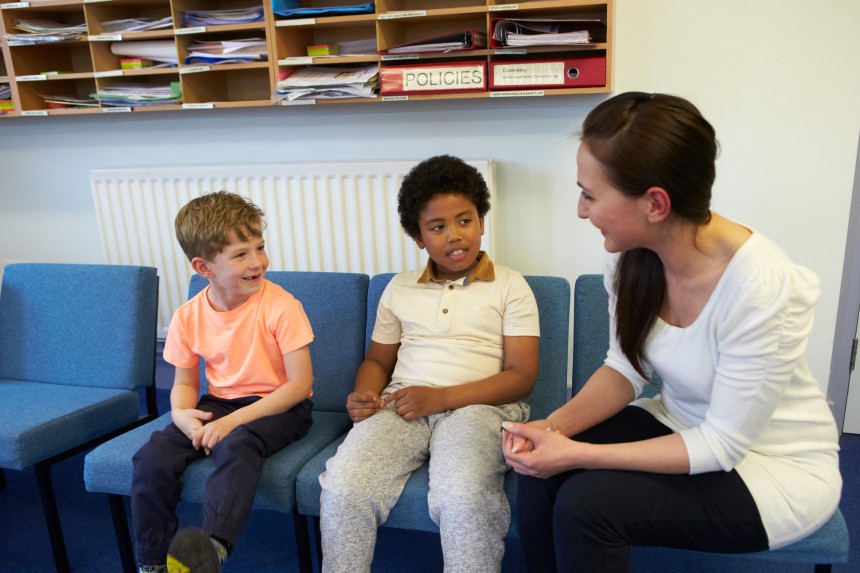
Many students act out due to underlying emotional or social issues, such as conflicts with peers, stress at home, or mental health challenges. Instead of suspending these students, schools can offer counseling or mediation services to address the root causes of their behavior. Counseling might be one-on-one or in group settings where students can discuss their struggles with a trained counselor. Mediation is used to resolve conflicts between students, often with the help of a neutral mediator. For instance, if two students are involved in a fight, instead of suspension, the school might organize a mediation session where both students can express their perspectives, listen to each other, and come to a resolution. This approach helps students develop emotional regulation and conflict resolution skills, reducing the likelihood of future incidents.
5. Community Service or Work Detail:

Instead of removing students from the school environment, they can be assigned community service tasks or work details around the school. These activities are aimed at helping students understand the value of contributing to their community while also reflecting on their actions. For example, a student who was caught littering may be asked to help clean up the school grounds. By giving students tasks that help improve the school or community, they are given a chance to make amends for their behavior in a constructive way. This alternative not only keeps students engaged but also teaches responsibility and accountability. It provides a tangible way for students to “give back” and contribute positively, reinforcing a sense of connection to the school community.
Each of these alternatives helps maintain students’ engagement in their education while addressing the behavioral issue in a more supportive, constructive way. However, it is also important to consult your district’s progressive discipline policy. Depending on the circumstance, there might be situations (violence, threats, lude behavior) where a student being removed from campus for a period of time might be the most appropriate course of action.
The Principal’s Desk, Assistant Principal’s Desk, and The School Counselor’s Desk was founded by Dr. David Franklin. Dr. Franklin is an award winning school administrator, education professor, curriculum designer, published author and presenter at national and international education conferences. He is also the co-author of “Can Every School Succeed” and the #1 Amazon Best Seller in Education Administration: “Advice From The Principal’s Desk”.
 THE PRINCIPAL'S DESK