
Organizing a school’s lunch period might seem straightforward, but it’s a crucial part of the school day that can significantly impact students’ overall well-being and productivity. A well-managed lunch period not only enhances student satisfaction, but also promotes healthier eating habits and contributes to a more positive school environment. Here are five effective strategies to optimize your school’s lunch period.

Implement a Staggered Lunch Schedule
One of the most effective ways to manage a busy lunch period is by implementing a staggered lunch schedule. Instead of having all students eat at the same time, dividing the lunch period into multiple shifts can reduce overcrowding in the cafeteria. This approach allows for more manageable supervision and ensures that students have a more relaxed and less rushed lunch. To put this into practice, analyze the school’s population and available lunch periods to determine appropriate shifts, coordinate with teachers and staff to adjust class schedules accordingly, and communicate the new schedule clearly to students and parents.
Enhance the Cafeteria Layout
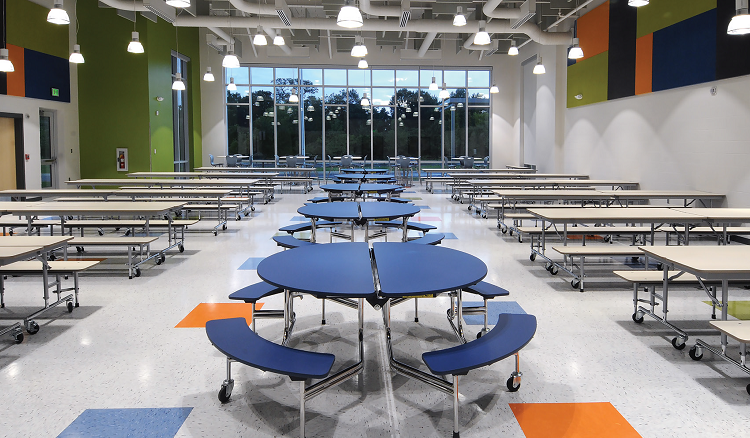
The design and layout of the cafeteria play a crucial role in how efficiently the lunch period runs. A well-thought-out layout can reduce waiting times and streamline the flow of students. Key considerations include arranging serving lines, seating areas, and exits to facilitate smooth movement and ensure multiple serving stations to prevent bottlenecks. Additionally, offering a variety of seating options to accommodate different group sizes and needs, and considering flexible seating arrangements based on the number of students eating, promotes socialization and inclusion.
Incorporate Technology for Efficiency

Leveraging technology can significantly enhance the efficiency of the lunch period. Implementing cashless payment systems, where students use ID cards or apps to pay for their meals, can speed up the checkout process and reduce cash handling. Online pre-ordering apps like Choosi, allows students to select their meals in advance, minimizing wait times and alleviating the rush during peak hours. Furthermore, using apps or updated digital boards to display menus and nutritional information helps students make informed choices about their meals.
Promote Healthy Eating with Engaging Programs
Encouraging healthy eating habits is a key component of a successful lunch period. Engaging programs and initiatives can make nutritious choices more appealing to students. Organize taste tests and food challenges to introduce new foods and make trying healthy options fun. Host educational workshops about nutrition, cooking, and the benefits of healthy eating, involving students in interactive sessions to keep the learning process engaging. Additionally, consider starting a garden-to-table initiative by partnering with local farms or establishing a school garden to provide fresh produce for lunches and teach students about the journey from farm to table.
Gather Feedback and Adjust Regularly

An organized lunch period is not a static setup but an evolving process. Regular feedback from students, staff, and parents is crucial for continuous improvement. Distributing surveys or setting up suggestion boxes can help gather input about what is working and what could be improved. Conducting focus group discussions with students and cafeteria staff allows for a deeper exploration of specific issues and brainstorming of potential solutions. Regularly reviewing lunch period data, such as wait times and food waste, can help identify trends and areas for improvement, allowing for necessary adjustments to maintain a successful program.
The Principal’s Desk, Assistant Principal’s Desk, and The School Counselor’s Desk was founded by Dr. David Franklin. Dr. Franklin is an award winning school administrator, education professor, curriculum designer, published author and presenter at national and international education conferences. He is also the co-author of “Can Every School Succeed” and the #1 Amazon Best Seller in Education Administration: “Advice From The Principal’s Desk”.
 THE PRINCIPAL'S DESK