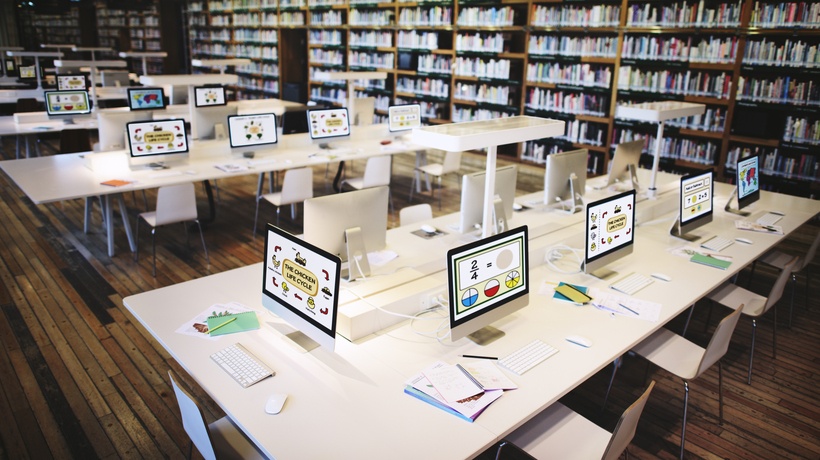
In an era where information is just a click away, the role of the school library is evolving. No longer confined to shelves of dusty books, today’s libraries have the potential to be vibrant hubs of learning and innovation. Updating school libraries to meet the needs of modern students means embracing digital technology, creating flexible learning spaces, and offering resources that reflect a diverse world. By transforming these spaces, schools can provide students with the tools, resources, and inspiration they need to thrive in a rapidly changing world. Here are five ways schools can revitalize their libraries to make them more relevant and engaging for today’s learners.
1. Embrace Digital Technology
Today’s students are digital natives, so incorporating technology into the library is essential. Offering e-books and audiobooks gives students the flexibility to access reading materials from any device, whether they’re at school or home. By integrating online learning platforms such as Google Classroom or Microsoft Teams, schools can further enhance collaboration between students and teachers.
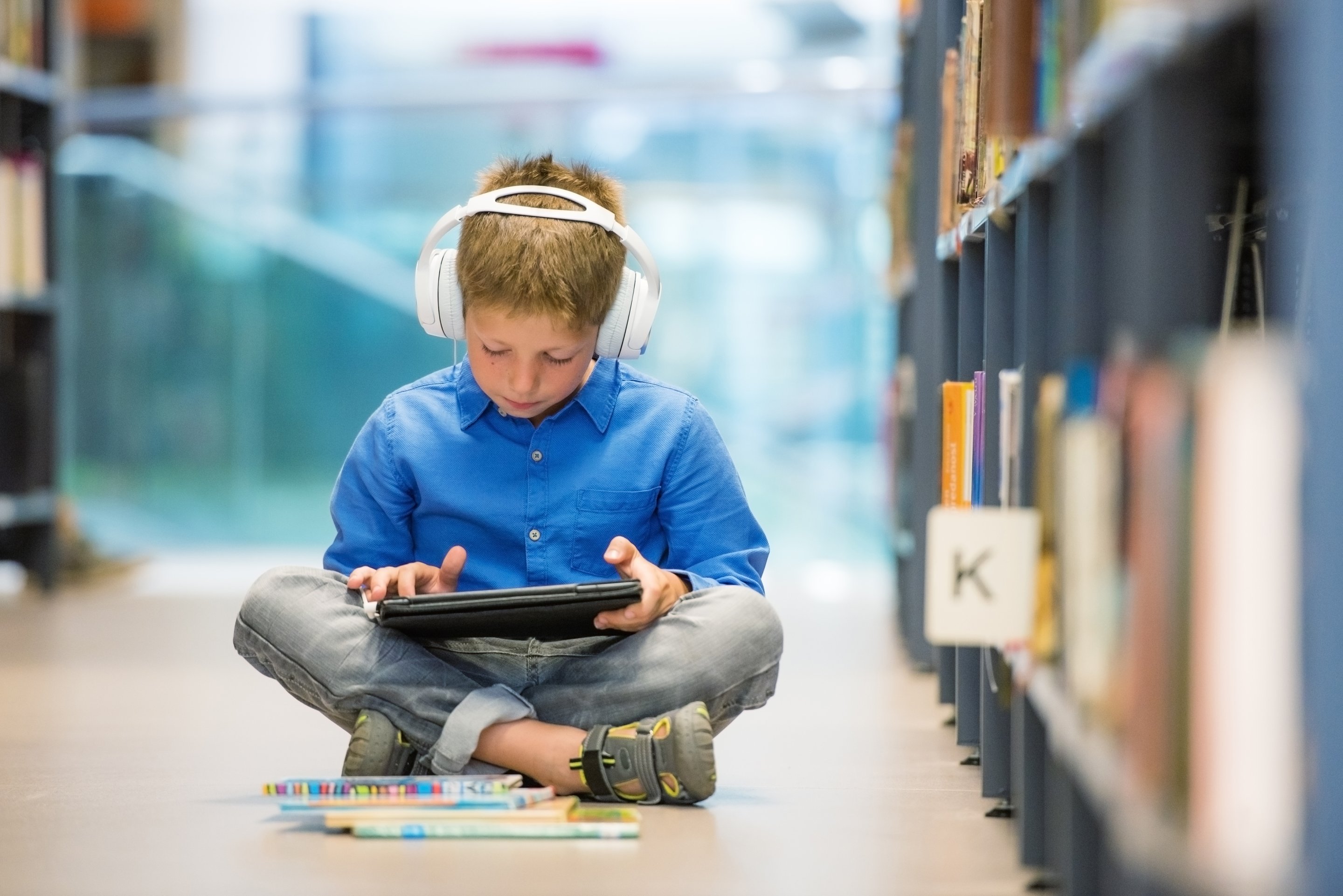
Additionally, setting up multimedia stations with tablets, laptops, and video editing tools will encourage students to explore creative projects. Imagine students editing videos for a class presentation or using 3D design software to bring their ideas to life—libraries can become a space for innovation beyond traditional reading and research.
2. Create Flexible Learning Spaces
Libraries of the past were often static spaces with rows of bookshelves and desks, but modern libraries should be adaptable to different learning styles. Schools can introduce adaptable furniture like movable tables, chairs, and partitions, allowing students to create different setups for individual study, group work, or interactive learning activities.

Designating zones for different activities—like quiet study areas, collaboration spaces, and even relaxation corners—can ensure that the library caters to a variety of student needs. Plus, with so many students relying on personal devices, a tech-friendly design with plenty of outlets and high-speed internet is a must for today’s libraries.
3. Promote Digital Literacy
In a world where information is readily available online, teaching students digital literacy is more important than ever. Schools can offer workshops on online research techniques, digital citizenship, and media literacy, empowering students to navigate the vast landscape of information responsibly and effectively.
Additionally, many students are interested in technology fields, so providing opportunities for them to engage in coding or STEM programs can be a great way to enhance their skills in these areas. By offering coding clubs or making robotics kits available in the library, schools can foster a love for science, technology, engineering, and math.
4. Diversify Library Resources
Diversity in the library’s collection is key to ensuring all students feel represented and included. By providing culturally responsive collections, schools can make sure students see themselves and their experiences reflected in the materials. Offering books and resources that cover a wide range of perspectives encourages empathy and understanding in a multicultural world.
Libraries should also expand beyond traditional books to include interactive and multimedia resources such as documentaries, podcasts, and online learning tools. These resources can help engage students who learn best through visual or auditory methods and offer a more dynamic approach to research and exploration.
5. Enhance Student Engagement
Engaging students with the library requires a little creativity. Schools can create student-centered programs like book clubs or creative writing contests, making the library an exciting place to visit. Encouraging students to share their book recommendations through interactive displays or student-run social media accounts can foster a sense of ownership and enthusiasm for reading.
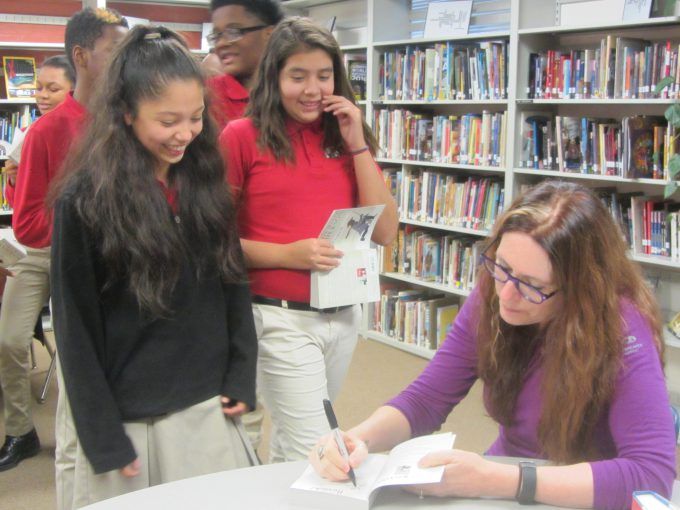
Hosting author visits, both in-person and virtual, can also make reading more exciting and relevant. Hearing directly from authors about their writing process or discussing books with professionals can inspire students and deepen their love for literature. Interactive, rotating displays based on popular genres, student interests, or current events can also keep the library feeling fresh and inviting.
By updating libraries to be more tech-friendly, diverse, and engaging, schools can create dynamic learning environments that meet the needs of today’s students. Whether it’s through flexible spaces, digital resources, or exciting literacy programs, modern school libraries have the potential to become vibrant hubs for learning, creativity, and innovation. After all, a library is no longer just a place to borrow books—it’s where students can grow into lifelong learners and thinkers.
The Principal’s Desk, Assistant Principal’s Desk, and The School Counselor’s Desk was founded by Dr. David Franklin. Dr. Franklin is an award winning school administrator, education professor, curriculum designer, published author and presenter at national and international education conferences. He is also the co-author of “Can Every School Succeed” and the #1 Amazon Best Seller in Education Administration: “Advice From The Principal’s Desk”.
 THE PRINCIPAL'S DESK