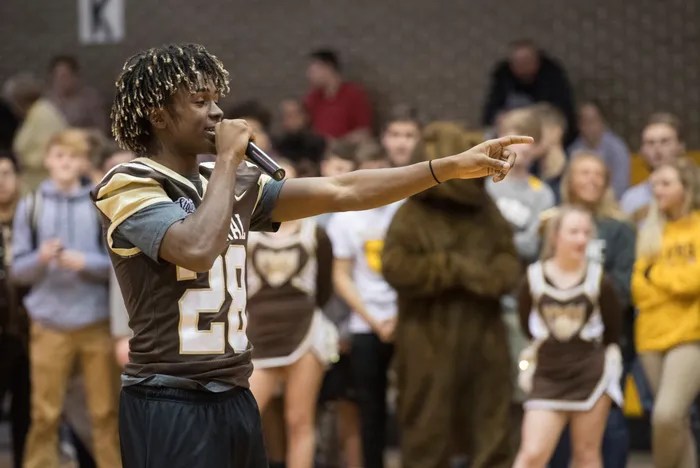
As educators, we talk often about the value of a well-rounded education. We champion the importance of both STEM and the humanities, push for collaboration between academic departments, and strive to build school cultures where every student feels seen. But there’s an opportunity we often overlook—one that has the power to strengthen our entire community: encouraging student athletes to attend school plays, concerts, and art shows.
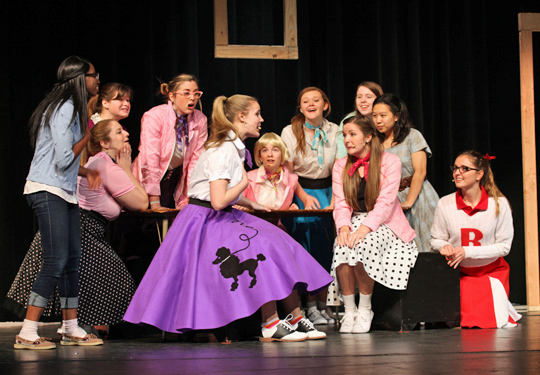
This isn’t about selling tickets and filling seats—it’s about cultivating respect, empathy, and unity across the diverse student groups that make up our schools. It is important the celebrate the hard work and dedication of all students as this hard work often goes uncelebrated or unnoticed.
Building a Culture of Mutual Support
Athletes understand the value of having an audience. The roar of the crowd, the chants from classmates, being the focus of a pep rally, the cheers after a hard-fought game—these moments fuel their passion and build school spirit. Our student performers and artists, however, don’t always get the same turnout or energy. Yet, they invest the same long hours, the same emotional grit, and the same commitment to excellence.
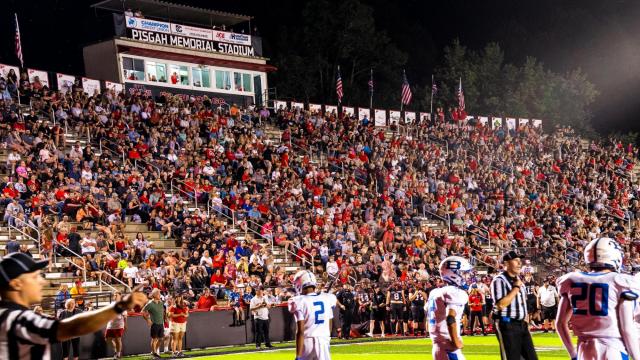
Friday night football games are often whole community events. Look into the crowd and you will see students from all walks of life, interests, and talents. More often than not, you will also see a pep band in the stands or a full marching band on the field at halftime. These same students perform in a variety of settings throughout the school year. However, these other events are often only attended by a student’s family or close friends. When athletes attend an orchestra concert or a senior art showcase, it bridges a cultural gap within our schools. It communicates: “We support you the way you support us.” That kind of mutual recognition builds a culture where all talents are valued, and where school pride is shared—not siloed.
Character Education in Action
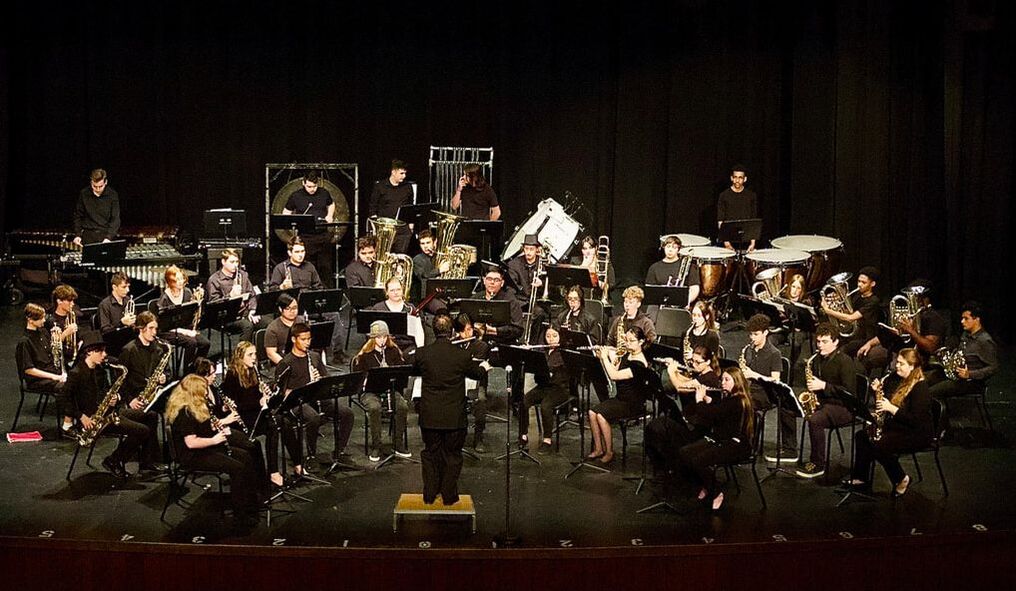
We talk a lot about character in athletics—discipline, teamwork, perseverance. But respect and humility are just as critical. Attending an arts event gives student athletes an opportunity to practice those virtues in real time. It’s one thing to respect your opponent on the field. It’s another to show respect for someone whose strengths lie in a completely different arena.
By showing up for their peers in the arts, athletes grow as citizens, not just competitors. They experience new perspectives, learn to appreciate different forms of expression, and strengthen their empathy. These skills that are essential not only for team success, but for life.
The Role of Adult Modeling

As educators and leaders, we set the tone. If football coaches are in the audience at the spring musical, their athletes are more likely to be there too. If principals make time to attend student gallery openings, we signal that these events matter. When counselors and teachers encourage cross-event attendance, we create habits of engagement and respect.
We need to be intentional about building this into the rhythm of the school year. Highlight upcoming art events at athletic banquets. Post concert schedules in locker rooms. Invite visual artists to design spirit wear or game-day posters. Look for opportunities to connect programs instead of keeping them in silos.
The Ripple Effect
When student athletes attend school arts events, it does more than lift up their classmates—it elevates our entire school community. We begin to create a culture where diversity of talent is celebrated. It sends a message to every student: Your contribution matters. Your passion matters. You belong here.

And isn’t that what we want school to be? Let’s encourage our athletes to show up for more than just the scoreboard. Let’s help them see the stage, the gallery, and the concert hall as places where their support makes a difference too. Because when we break down these barriers, we build a school that is not only more unified—but more human.
The Principal’s Desk, Assistant Principal’s Desk, and The School Counselor’s Desk was founded by Dr. David Franklin. Dr. Franklin is an award winning school administrator, education professor, curriculum designer, published author and presenter at national and international education conferences. He is also the co-author of “Can Every School Succeed” and the #1 Amazon Best Seller in Education Administration: “Advice From The Principal’s Desk”.
 THE PRINCIPAL'S DESK