
One of the most common concerns coming from principals today is the amount of stress associated with the job. Second is the lack of time needed to complete everything that needs to get down in order to keep the school moving in the right direction.
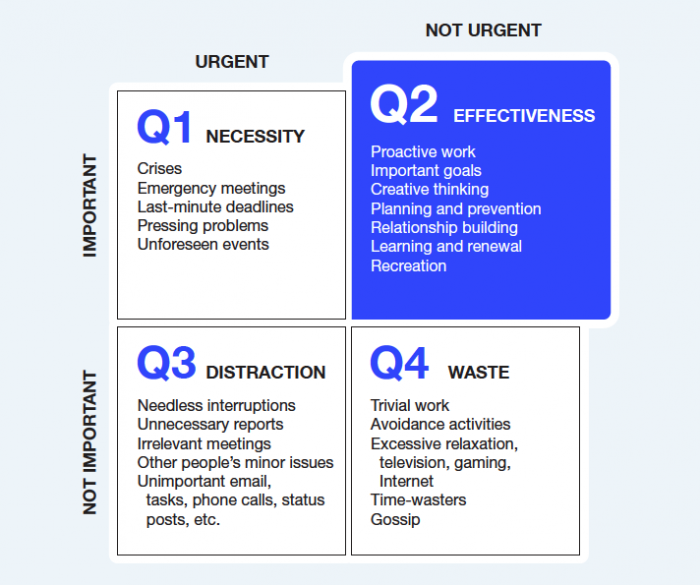
In the busy world of education leadership, principals juggle countless responsibilities on a daily basis. From handling administrative tasks and addressing student concerns to fostering staff development and community relations, the demands can seem endless. Sometimes you are putting out hypothetical fires, and sometimes you are putting out real fires. Stephen Covey’s Time Management Matrix, outlined in The 7 Habits of Highly Effective People, offers a structured approach to help leaders prioritize tasks effectively. By understanding and applying this matrix, principals can make more strategic choices about how to spend their time, enhance productivity, and lead more effectively.
Let’s dive into Covey’s matrix, explore how it can guide school leaders in their day-to-day work, and identify ways to optimize their time for the greatest impact on the school community.
Understanding Covey’s Time Management Matrix
Covey’s Time Management Matrix categorizes tasks based on two factors: urgency and importance. He divides these factors into four quadrants:
- Quadrant I (Urgent and Important): Tasks that require immediate attention, often associated with crises or pressing deadlines.
- Quadrant II (Not Urgent but Important): Tasks that support long-term goals and personal development but don’t have immediate deadlines.
- Quadrant III (Urgent but Not Important): Tasks that demand immediate attention but don’t necessarily contribute to long-term goals.
- Quadrant IV (Not Urgent and Not Important): Tasks that offer little value and don’t move the needle on productivity or goals.
For a principal, applying Covey’s matrix to everyday responsibilities can reveal which tasks genuinely deserve their focus and which might be distractions.
Quadrant I: Urgent and Important – The “Crisis”
For school principals, Quadrant I often includes handling emergencies, responding to urgent issues involving student safety, or addressing immediate concerns from parents or staff. Examples might include:

- Student Discipline Issues: Situations where a principal must intervene to ensure the safety and well-being of students.
- Staffing Shortages: Quickly finding substitute teachers or reassigning staff to cover classes if someone is unexpectedly absent and the school day is about to begin.
- Compliance Deadlines: Completing district or state reporting requirements on a strict deadline. Mandated reporting would also qualify as being in quadrant 1.
Quadrant I tasks are unavoidable, but principals can reduce the number of crises by investing more time in Quadrant II, where they can focus on preventative measures.
Quadrant II: Not Urgent but Important – The “Planning and Development Zone”
This quadrant is where effective principals should strive to spend most of their time. Here, principals focus on tasks that contribute to the school’s long-term success, even if they don’t need immediate attention. These might include:

- Building Relationships: Developing a strong connection with staff, students, and parents promotes a positive school culture and can prevent future conflicts.
- Professional Development for Staff: Providing teachers with training opportunities boosts instructional quality, reducing potential challenges in the classroom.
- Strategic Planning: Setting goals for the school’s academic success, student engagement, and overall well-being leads to lasting improvements.
- Personal Development: Taking time for personal growth (e.g., attending leadership workshops or reading professional literature) enhances the principal’s leadership skills and application of knowledge.
Investing in Quadrant II activities reduces the volume of crises in Quadrant I over time. Principals who focus on prevention, planning, and development often find themselves dealing with fewer emergencies, creating a more stable school environment.
Quadrant III: Urgent but Not Important – The “Interruptions”
Quadrant III tasks can consume a principal’s time and energy without contributing meaningfully to the school’s goals. This quadrant includes:

- Responding to Non-Essential Emails or Calls: Emails from non-essential vendors, non-urgent calls from community members, and general requests for information can be time-consuming but don’t always advance key priorities.
- Handling Minor Staff or Student Requests: While maintaining an open-door policy is important, getting pulled into minor issues can distract from more significant tasks. As we all know, “do you have a minute” can easily turn into an hour.
- Attending Non-Critical Meetings: Sometimes, principals are invited to meetings or events that don’t directly relate to their core goals.
To manage Quadrant III, principals can delegate certain tasks to trusted staff members or set aside dedicated times for handling non-critical communication.
Quadrant IV: Not Urgent and Not Important – The “Distractions”
Quadrant IV represents activities that don’t serve a meaningful purpose in a principal’s role. These might include:

- Browsing Social Media or News Sites: While social media can be used for school communication, personal browsing during work hours can reduce productivity.
- Non-Productive Conversations: Lingering in the staff lounge or engaging in non-constructive conversations with colleagues can take away from valuable time.
- Paperwork with No Real Impact: Sorting through low-priority files or documents that don’t directly contribute to the school’s needs.
The key to managing Quadrant IV is to recognize these distractions and intentionally limit them. Principals should be mindful of how much time is spent on activities that neither advance the school’s mission nor offer a clear benefit.
Practical Tips for Principals Using Covey’s Matrix
- Begin with Quadrant II: Schedule time weekly in your calendar for long-term planning, professional development, and relationship-building. Block these times out and communicate their importance to office staff. These activities build a solid foundation for the school and can help prevent crises down the road.
- Set Boundaries for Quadrants III and IV: Limit time spent on non-critical tasks by setting specific times for email responses, limiting unnecessary meetings, and reducing distractions. Consider delegating tasks where possible, such as having an assistant handle non-urgent inquiries.
- Review and Adjust Weekly: At the end of each week, assess how time was spent across the quadrants. Was enough time allocated to Quadrant II? Are there recurring tasks in Quadrant I that might be preventable?
- Empower Your Team: When team members are equipped to handle some of the “urgent but not important” tasks, it frees up time for principals to focus on strategic responsibilities.
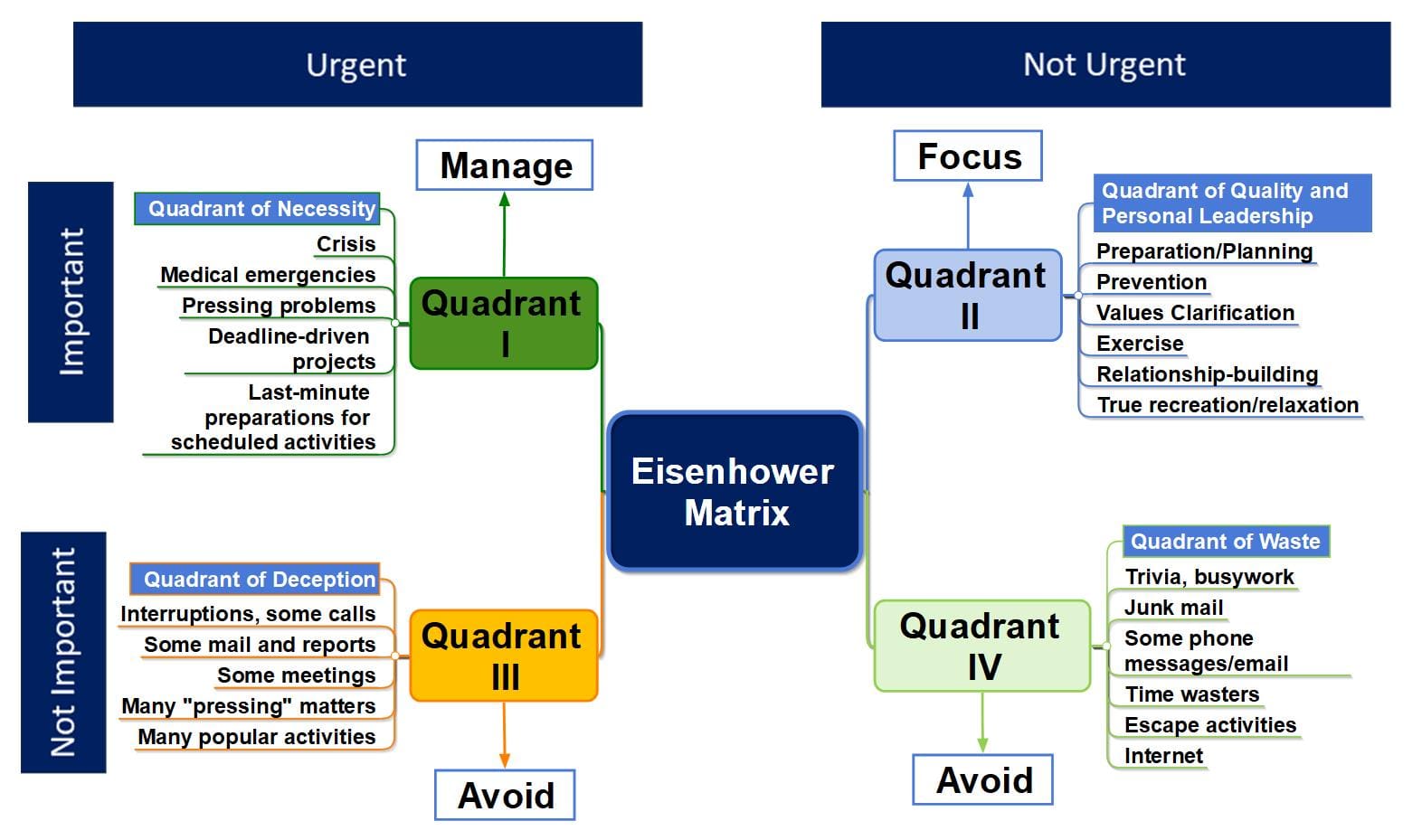
For principals, the ability to manage time effectively is essential to creating a thriving school environment. Covey’s Time Management Matrix serves as a valuable tool for principals to prioritize tasks, minimize distractions, and focus on what matters most. By making intentional decisions to spend more time in Quadrant II, principals can lead with vision, reduce crises, and build a stronger school community.
The Principal’s Desk, Assistant Principal’s Desk, and The School Counselor’s Desk was founded by Dr. David Franklin. Dr. Franklin is an award winning school administrator, education professor, curriculum designer, published author and presenter at national and international education conferences. He is also the co-author of “Can Every School Succeed” and the #1 Amazon Best Seller in Education Administration: “Advice From The Principal’s Desk”.
 THE PRINCIPAL'S DESK