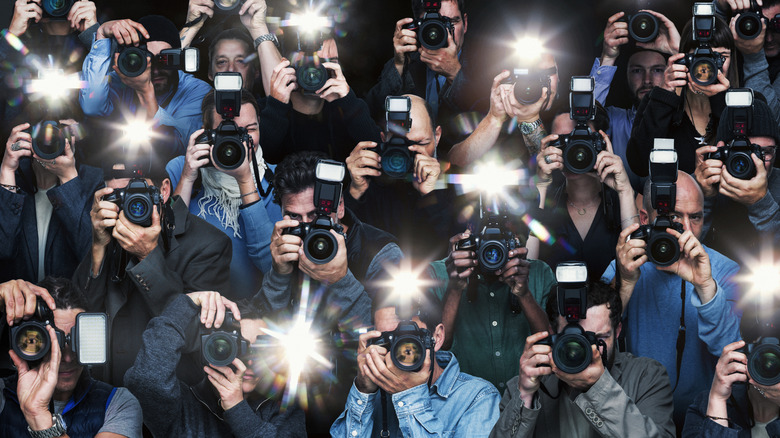
Let’s be honest—education has its own celebrity culture. Scroll through LinkedIn, TikTok, Facebook, X, or the latest conference program, and you’ll see the same faces: dynamic, high-energy presenters with big ideas and even bigger followings. They’ve got book deals, branded hashtags, media agents, and quotes that rack up hundreds of shares. Some of these quotes and videos can be found in my Facebook Group: The Principal’s Desk.
Here’s the problem: not everything they say is true.

Some of these edu-celebrities oversimplify complex practices and policies to make it “Instagrammable.” Others cling to catchy theories long after the evidence has shifted. And sometimes—brace yourself—there was never solid evidence in the first place.
Why is this dangerous? Because in education, bad information doesn’t just sit on the internet—it seeps into practice. It walks into classrooms, drives professional development agendas, and shapes district spending priorities. It can lead to:
- Wasted resources – Schools invest thousands of dollars in books, training sessions, and materials tied to an unproven fad.
- Lost instructional time – Teachers spend months implementing a strategy that turns out to be ineffective or even counterproductive to student learning.
- Frustrated staff – When something doesn’t work, the blame often falls on the educators for “not doing it right” instead of on the flawed idea itself.
- Eroded trust – After a few failed “next big things,” teachers and school leaders stop engaging with professional learning altogether, assuming it’s just another passing trend.

The ripple effects extend to students, who bear the cost of ineffective teaching methods. A poorly supported literacy framework, for example, can stall reading progress for an entire cohort of kids. A trendy, but untested approach to behavior management, can worsen classroom and school climate. This also impacts teachers, who have expectations of their administrators that are either unrealistic or unnecessary and feel let down when they don’t model their practices after their favorite new edu-celebrity.
Misinformation in education isn’t harmless—it can set entire schools back years.
Furthermore, these untested strategies can erode away the trust of school leaders and teachers who are following the research and using tried and true methods, not just what is trendy at the given time.
We have to stop confusing charisma with credibility. A standing ovation isn’t peer review. A viral quote isn’t data. Before we jump on the next hot trend, we should all be asking:
- Who’s saying this, and what’s their evidence? The first question isn’t “Is this exciting?”—it’s “Who’s behind it?” We need to look beyond the microphone and the TED-style stage to the person’s actual background. Are they trained in the field they’re speaking on, or are they repackaging someone else’s research into a marketable message? Have they published in peer-reviewed journals, or only in self-promotional spaces? Do they have real classroom or school leadership experience, or do they build authority solely through speaking engagements and social media presence?
It’s also worth asking who’s funding their platform. Are they partnered with an ed-tech company, curriculum publisher, or consulting firm that benefits when districts buy in? That doesn’t automatically disqualify them—but it should prompt us to weigh whether their advice is shaped by evidence or by sales goals.
Finally, credibility isn’t static. Someone might have done great work a decade ago, but if they haven’t stayed current with new research, they can quickly slip into peddling outdated information. In education, staying credible means continuously engaging with new findings, not just repeating the same keynote for years. - Has it been tested in contexts like ours?
An approach that worked wonders in a suburban district with small class sizes, abundant technology, and a stable teaching staff might collapse in a rural school with limited resources or an urban school facing high student mobility. Context matters—deeply.
Too often, edu-celebrities present success stories as if they’re universal truths. But teaching is a human profession shaped by variables like community demographics, student needs, staff experience, charter or non-charter, online or brick and mortar, local policies, and even the physical layout of a school building.
Before we adopt a new “game-changing” method, we need to dig deeper.

- What do independent, peer-reviewed sources say? The internet is full of “research-backed” claims that crumble the moment you look closely at the studies (or lack of studies) they cite. Sometimes the cited research is outdated, based on a tiny sample size, or misrepresented entirely. Other times, the only sources offered are blog posts or white papers written by the same person—or by people in their professional circle—creating an echo chamber of self-confirmation.
Independent, peer-reviewed research matters because it goes through rigorous scrutiny by experts with no vested interest in selling a program or pushing a brand. It also means the findings have been challenged, replicated, and refined—not just presented in a glossy keynote slide or Instagram post.
When we ask, “What do independent, peer-reviewed sources say?” we’re committing to look past the speaker’s narrative and into the actual body of evidence. That may mean diving into journals, reading multiple studies (including ones that contradict the claim), and consulting experts who aren’t on the payroll of the trend’s biggest promoters.
In education, this level of diligence isn’t just academic nitpicking—it’s professional responsibility. If we’re willing to vet our lesson plans for quality and alignment, we should be just as willing to vet the big ideas shaping our schools.

In education, we owe our students more than just “what’s trending.” Popular doesn’t mean proven. And if we don’t start calling that out, the cycle of hype-and-disappointment will keep repeating—only the hashtags will change. Last year, the phrase and meme “very demure, very mindful” was all the rage on TikTok with teenagers. Today, it is a forgotten saying that has fallen out of favor. How many education trends from the last years years do you remember that have been retired without fanfare?
The Principal’s Desk, Assistant Principal’s Desk, and The School Counselor’s Desk was founded by Dr. David Franklin. Dr. Franklin is an award winning school administrator, education professor, curriculum designer, published author and presenter at national and international education conferences. He is also the co-author of “Can Every School Succeed” and the #1 Amazon Best Seller in Education Administration: “Advice From The Principal’s Desk”.
 THE PRINCIPAL'S DESK