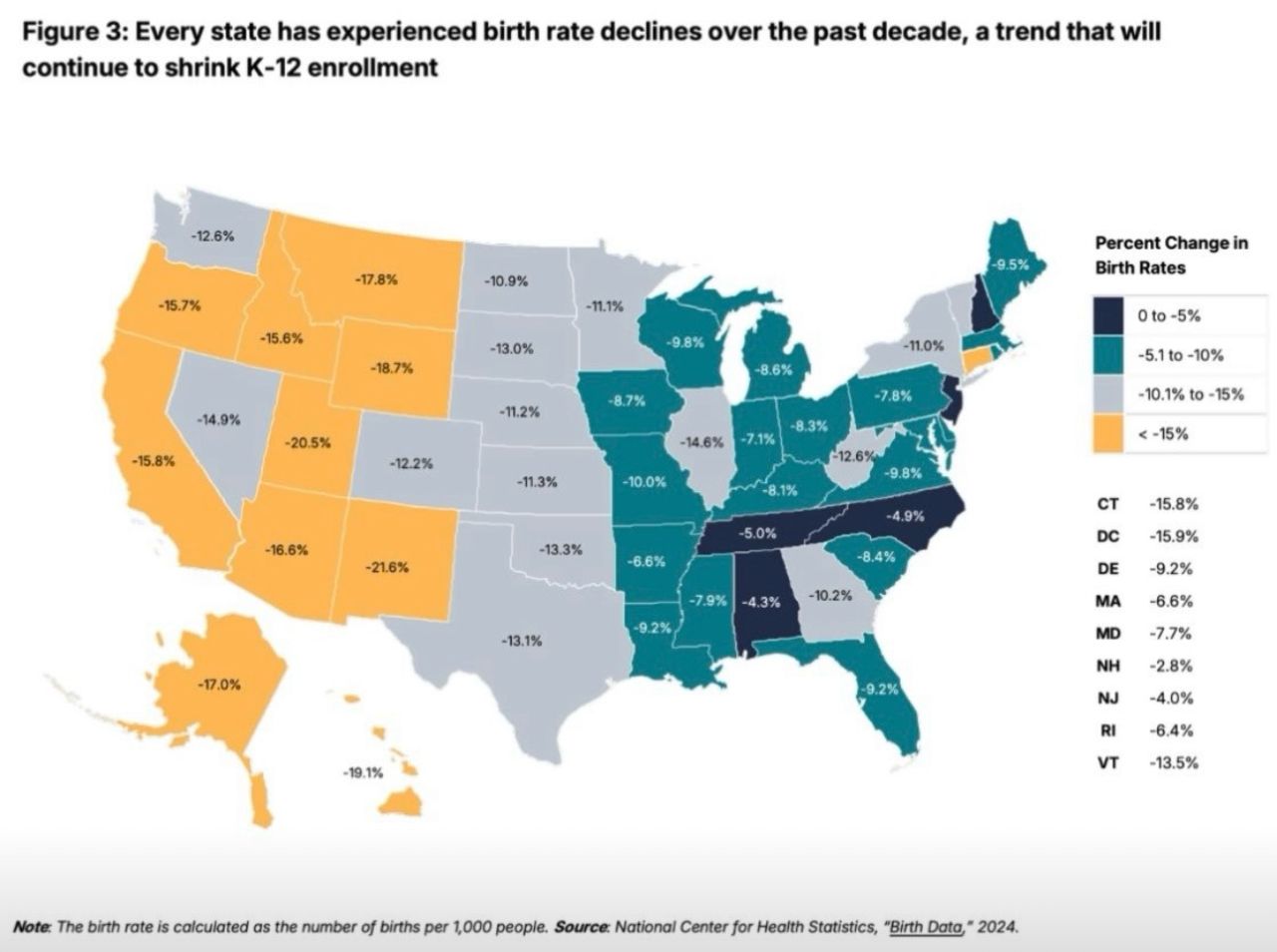
One of the biggest challenges facing K–12 education right now started years ago with a demographic trend that is now impossible to ignore: declining birth rates.
According to the CDC, the U.S. fertility rate hit another record low in 2025 at 53.1 births per 1,000 women ages 15–44. Since 2007, the fertility rate has fallen nearly 23%. Those numbers are now moving through the education system.
A lower birth rate five or six years ago means fewer kindergarteners today. Fewer kindergarteners eventually means lower district enrollment overall in secondary programs. Due to school funding being tied directly to student counts, declining enrollment quickly becomes a financial issue.
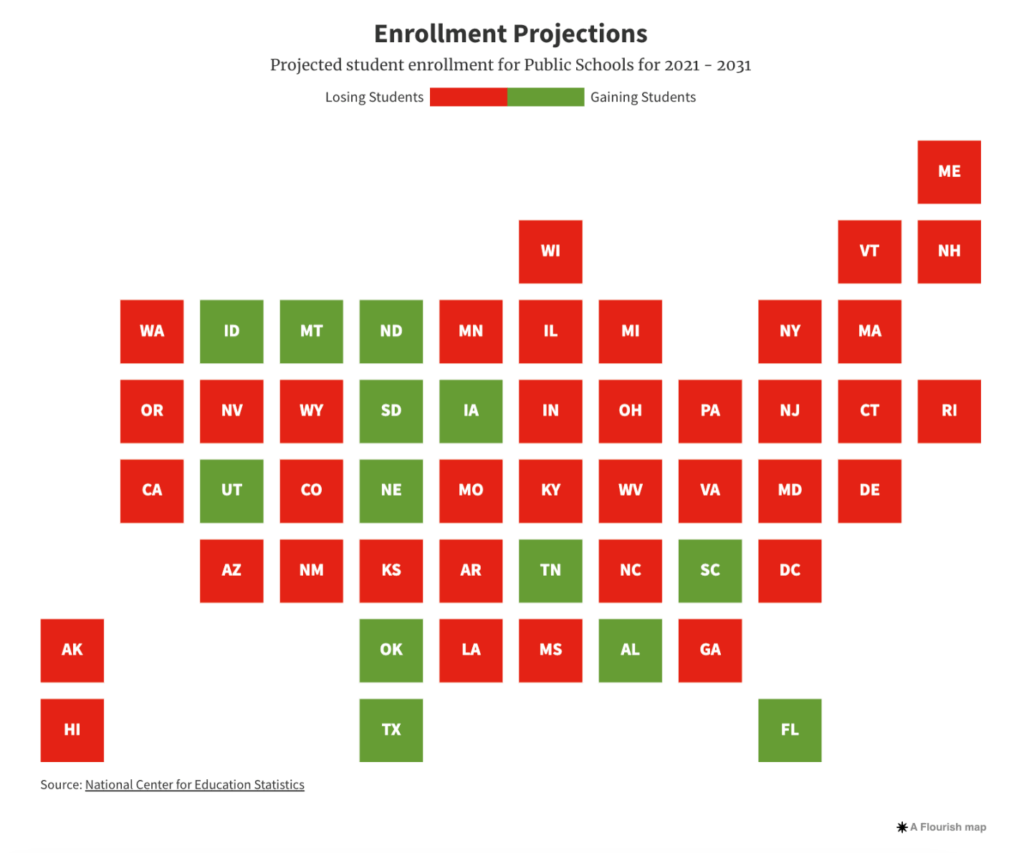
The challenge is that district costs do not decline at the same pace. Schools still have buildings to maintain, buses to run, and staffing structures built for larger student populations.
As enrollment declines, districts are increasingly forced into difficult decisions:
- Staff layoffs and hiring freezes
- School closures and consolidation
- Reductions in electives, arts, intervention services, and special programs
- Larger class sizes and fewer student supports
In many communities, these conversations are already happening.
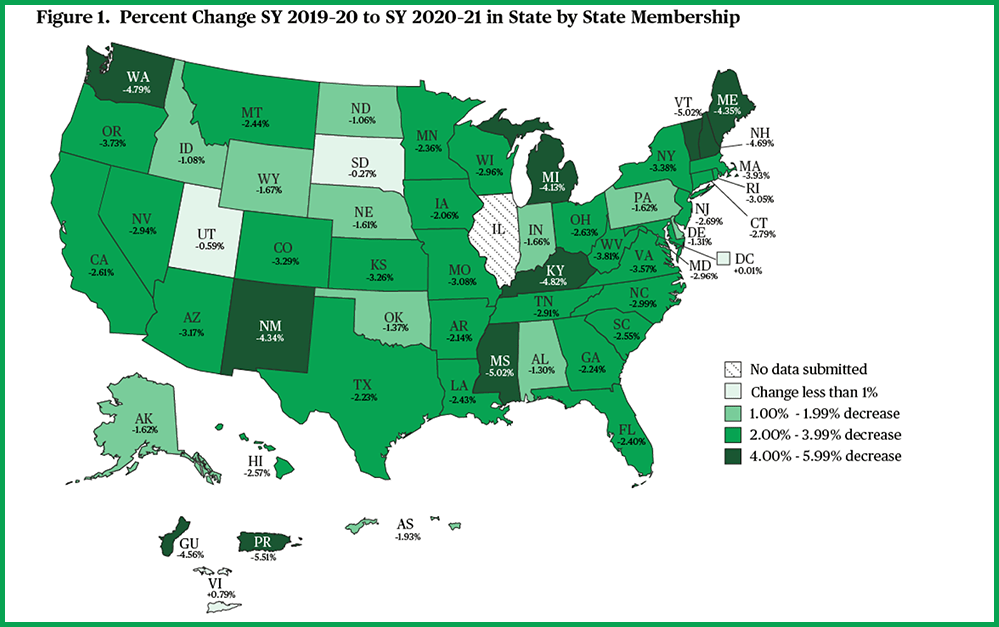
The New York Department of Education is currently operating 39 more schools than it did a decade ago for 157,900 less students. Enrollment is expected to drop by another 153,000 students in the next decade.
For education leaders, this shift matters. Districts are no longer just evaluating what is innovative.
They are evaluating what is sustainable.
The Principal’s Desk, Assistant Principal’s Desk, and The School Counselor’s Desk was founded by Dr. David Franklin. Dr. Franklin is an award winning school administrator, education professor, curriculum designer, published author and presenter at national and international education conferences. He is also the co-author of “Can Every School Succeed” and the #1 Amazon Best Seller in Education Administration: “Advice From The Principal’s Desk”.
 THE PRINCIPAL'S DESK