
This is the 9th year that The Principal’s Desk has published a list of five concepts that educators need to leave behind in the new year. Items on these lists include aspects of leadership, technology, curriculum, supervision, instruction, and social media. These lists have been read tens of thousands of times across the world. This list is a little different than the ones I have written in the past. As our world has evolved, so have the items that have caught my attention over the past few year. As we enter into 2026, I am pleased to bring you five more education concepts that we need to eliminate.
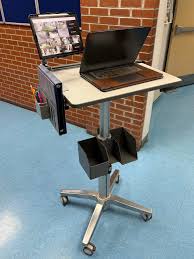
- The Mobile Principal’s Office Craze – First off – what do you do when your school is multi-level? What if there is an emergency and you need to leave your cart quickly? The real issue isn’t where a school leader’s office is located, even if mobile offices and principal’s carts are trending all over social media. It’s about how leaders spend their time. Mobile offices limit confidentiality for sensitive conversations, can increase constant interruptions, blur boundaries between instructional and managerial work, and make it harder for leaders to conduct focused thinking, planning, and follow-up. Instead of spending time rigging up a “super awesome” rolling cart, we should be focused on these questions: How much time are leaders spending in classrooms? Are teachers receiving frequent, actionable feedback? Is there a clear instructional vision everyone is working toward? What systems protect educators from being consumed by logistics, discipline, and email? Schools don’t improve because a principal’s office is mobile. They improve when leadership is deliberately focused on supporting teaching and learning.
Also – stairs.
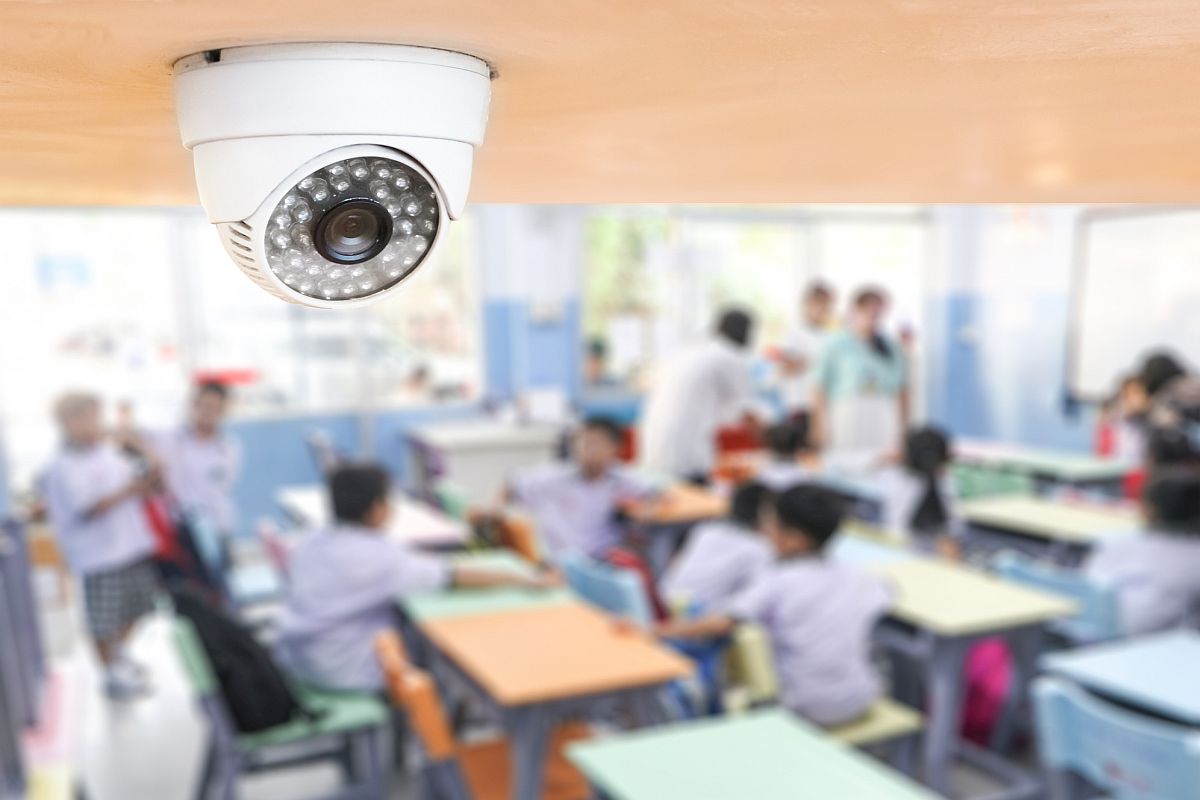
- Using Internal Security Footage as Social Media Content – Please stop using security footage as social media content to boost an online presence as it prioritizes attention over trust. Videos pulled from security cameras often involve students, staff, or families in vulnerable moments, raise serious privacy and consent concerns, and can easily strip context from complex situations. While these clips may generate clicks and engagement, they risk normalizing surveillance as entertainment, undermining school culture, and eroding confidence in leadership judgment. Schools build credibility through transparency, strong communication, and real results, not by turning safety systems into marketing tools.

- Blindly Using AI – Before fully embracing AI, schools must recognize that learning thrives on human connection, not just technology. Rapid and unchecked adoption of AI risks reducing teaching to prompts, feedback to automation, and students to data points. This also makes schools data rich, but information poor, flooded with dashboards and metrics that don’t translate into better instruction or stronger relationships. Before scaling AI, schools need clear policies that define how it should, and shouldn’t be used, ensuring that it supports teaching rather than replacing moments that require empathy, professional judgment, and human connection. Innovation matters, but responsible leadership ensures technology strengthens, not supplants, the relationships at the heart of learning.

- Ignoring Assessment Results (Even If We Are Sick Of Assessments) – Doing so can hide serious gaps in student learning that eventually show up as major problems later on. This was highlighted in the recent University of California, San Diego (UCSD) math preparedness report. That analysis found that the number of incoming freshmen who lack even middle‑school‑level math skills has skyrocketed, rising nearly 30 times over five years to about one in eight students needing remedial math. Many of these students had strong high school grades, but still lacked foundational math knowledge. While there is ongoing debate about the validity and limitations of some assessments, both local assessments and federal assessments like NAEP can provide critical signals about learning trends that cannot be ignored. Dismissing all assessment data risks masking underlying deficits, creating false confidence in rising GPAs, and advancing students without mastery of essential skills. When educators pay attention to well‑interpreted results from multiple sources, they can address gaps early, target instruction more effectively, and make policy decisions that truly support student success rather than reacting too late to preventable challenges. Additionally, if popular opinion deems certain assessments to be invalid, we need to suggest others, not just stop altogether.

- Engaging In The “Sunday Scaries” Hype – This one might not be the most popular, but I find it necessary. Educators need to stop posting about the “Sunday Scaries” and countdowns to the next break or end of vacation. While the stress of being an educator right now is real, constantly broadcasting it shapes a narrative that teaching is something to endure, rather than a profession to sustain. Some educators have even resorted to posting fake pictures of themselves crying in their offices and cars in order to encourage clicks and likes. Publicly framing each week as needing to be in survival mode may feel validating in the moment, but it can unintentionally normalize burnout, discourage new prospective educators, and reinforce the idea that exhaustion is the expectation. Schools are complex and demanding, but other under-resourced, high-stress professions don’t routinely post countdown days. A more honest and constructive approach acknowledges challenges without turning them into a running alarm, and helps shift the conversation toward solutions, support, and long-term sustainability in the profession.
The Principal’s Desk, Assistant Principal’s Desk, and The School Counselor’s Desk, totaling over 370,000 educators from around the world was founded by Dr. David Franklin in 2026. Dr. Franklin is an award winning school administrator, education professor, curriculum designer, published author and presenter at national and international education conferences. He is the co-author of “Can Every School Succeed” and the #1 Amazon Best Seller in Education Administration: “Advice From The Principal’s Desk”.
 THE PRINCIPAL'S DESK